A ‘Best Value’ Among National Universities
Mercer is consistently named a “best value” among national universities, combining exceptional education and career preparation at a relatively affordable price.



Why Mercer
Making A Genuine Difference
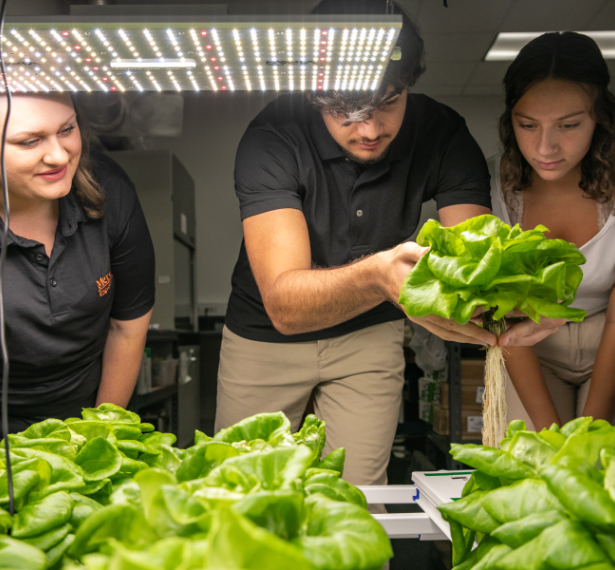
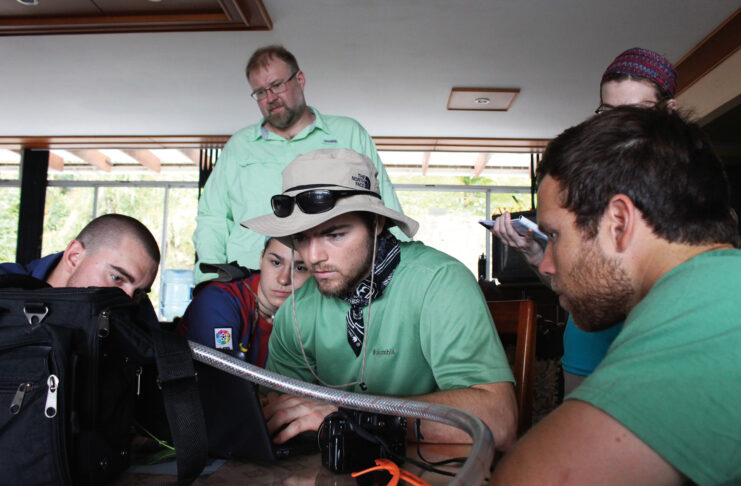
Discovery and Innovation
Curiosity with a purpose

Global Impact
Making a world of difference

Strengthening Communities
Local and global connections

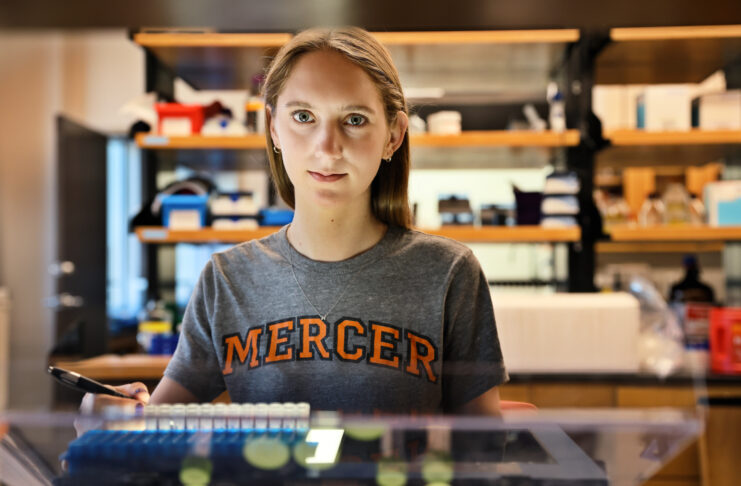
Research That Reaches Out
Integrating research and service

Flourishing Arts Scene
Supporting the arts
The latest news and features



Events
What's going on
Pre-Pharmacy Admissions Webinar: Next Steps Toward Your Pharm.D.
12:00pm - 12:30pm
Online
Admissions – Working Adults Undergraduate
Lead the Way in 2024 — Master’s in Organizational Leadership Webinar
5:00pm - 6:00pm
Online
Admissions – Graduate/Professional
Trio Montage Featuring Baritone Phillip Collister-Murray, Clarinetist Marguerite Levin and Pianist R. Timothy McReynolds
7:30pm - 9:00pm
McCorkle Music Building, Neva Langley Fickling Hall
Arts
Doctor of Physical Therapy (DPT) Information Session
4:00pm - 5:00pm
Online
Admissions – Graduate/Professional
Mercer University School of Medicine, Rural Health Sciences Ph.D. Program Virtual Information Session
12:00pm - 1:00pm
ZOOM
Admissions – Graduate/Professional
I feel like Mercerians really pride themselves on individuality and being who you are and embracing who you are. I really had a lot of space to get to know myself better.

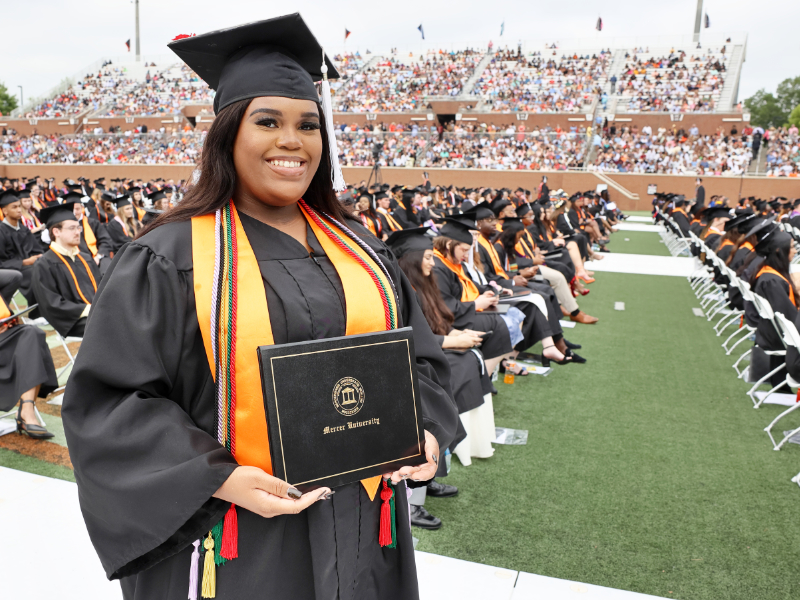
Mercer has provided me with the tools to work in this current job market. ... I really enjoyed this experience. I will definitely miss the camaraderie between the teachers and the students. I feel like they put you in a position to succeed.

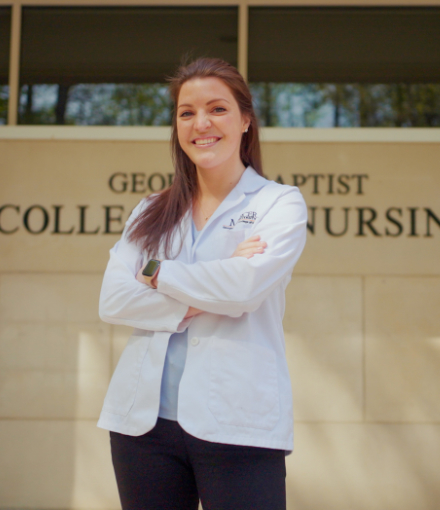
The professors that I've been able to learn from have taught me so many things — and not just nursing skills. They’ve taught me to be a leader. They’ve taught me to step out of my comfort zone. ... They have taken the time to get to know us as individuals, and I really feel as though this cannot be replicated anywhere else.